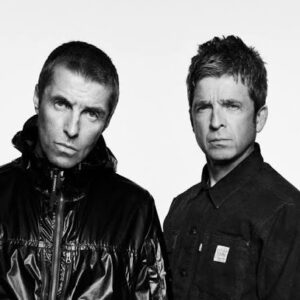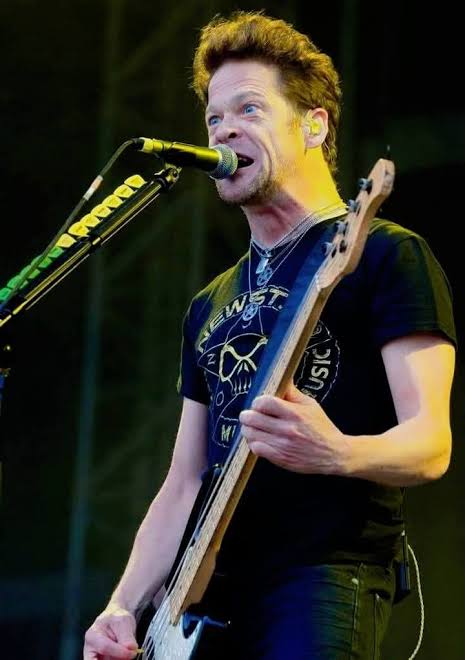
captionca Years Later: The Day Jason Newsted Left Metallica — A Departure That Still Echoes
Twenty-five years ago today, a pivotal chapter in the history of Metallica quietly came to an end. Jason Newsted, the band’s bassist from 1986 to 2001, officially stepped away from one of the most powerful and influential metal bands the world has ever known. At the time, the news sent shockwaves through the metal community. Decades later, the significance of that moment feels even heavier—layered with hindsight, regret, and unresolved complexity.
Jason Newsted’s exit was not marked by scandal or dramatic press conferences. Instead, it unfolded as the culmination of years of creative tension, emotional strain, and a struggle for acceptance within a band that had already endured profound loss and transformation.
Stepping Into the Impossible Role
When Jason Newsted joined Metallica in 1986, he inherited one of the most daunting roles in rock history: replacing Cliff Burton. Burton was not only Metallica’s bassist; he was widely regarded as the band’s musical conscience, a classically trained innovator whose influence shaped Metallica’s early sound and identity.
Burton’s tragic death in a tour bus accident in Sweden left the band shattered. For Metallica, grief and survival became inseparable. For Newsted, joining the band meant stepping into a space still occupied by mourning.
Despite his technical skill, energy, and unwavering commitment, Newsted entered Metallica as an outsider trying to earn a place in a brotherhood bound by trauma. The initiation was harsh—sometimes cruel. Hazing, ridicule, and emotional distance became part of the dynamic, reflecting a band that had not yet processed its loss.
Years of Commitment, Limited Voice
Over the next 15 years, Jason Newsted poured himself into Metallica. He toured relentlessly, contributed backing vocals, energized live performances, and helped carry the band through some of the most demanding years of its career.
Yet, by many accounts—including those from within the band—Newsted was never fully embraced as an equal creative partner.
In a 2003 interview with Classic Rock, drummer Lars Ulrich offered a rare and candid reflection on Newsted’s role within the band.
“Jason was overlooked,” Ulrich admitted. “And the ironic thing is that the model for what would have been the perfect Metallica in Jason’s mind is the one that exists now.”
The statement cut deep—not because it was cruel, but because it acknowledged a truth that many fans and observers had long suspected.
Ulrich continued: “That is kind of ironic. It’s also a little sad, because Jason’s a good guy and he put a lot of effort into the band for many years, and in retrospect he was never really fully accepted into the band.”
Creativity vs. Control
The breaking point came when Newsted sought creative fulfillment outside Metallica. His side project, Echobrain, was not an attempt to undermine the band, but rather an outlet—an effort to express musical ideas that had no space within Metallica’s tightly controlled creative structure.
Instead of encouragement, he encountered resistance.
“When he tried to go elsewhere to satisfy his creative needs,” Ulrich said, “he was told – well, barked at – that he couldn’t.”
That moment symbolized a larger issue: Metallica, at the time, was a band grappling with identity, control, and fear of fragmentation. Any move perceived as independence was seen as a threat to unity.
For Newsted, it was a devastating realization—that even after years of loyalty, sacrifice, and endurance, his autonomy remained conditional.
The Quiet Exit That Shook the Metal World
In January 2001, Jason Newsted officially announced his departure from Metallica, citing “private and personal reasons” along with physical damage sustained from years of intense touring. While the language was measured, the underlying truth was clear: the cost of staying had become too high.
Fans reacted with disbelief and sadness. Newsted was widely admired for his ferocious live presence and visible passion. For many, he represented the bridge between Metallica’s early ferocity and their global dominance in the 1990s.
His departure left a void—not just musically, but emotionally.
The Aftermath: A Band in Crisis
Newsted’s exit exposed fractures that Metallica could no longer ignore. The early 2000s became one of the band’s most turbulent periods, culminating in internal breakdowns documented in the 2004 film Some Kind of Monster.
Without Newsted, Metallica confronted its unresolved issues head-on: control struggles, addiction, communication breakdowns, and questions about the band’s future.
Ironically, many of the changes that followed—greater openness, shared dialogue, and a more democratic creative process—resembled the environment Newsted had long desired.
The Ironic Legacy
Ulrich’s reflection that “the perfect Metallica in Jason’s mind is the one that exists now” remains one of the most poignant statements in the band’s history. It suggests that Newsted’s vision was not flawed—just premature.
Today’s Metallica operates with greater transparency, mutual respect, and creative flexibility. Members pursue side projects openly. Personal well-being is prioritized alongside artistic output. The band that once feared independence has learned to survive it.
But that evolution came at a cost.
Reevaluation and Respect
In recent years, the narrative around Jason Newsted has shifted significantly. Fans and critics alike have reexamined his contributions with renewed appreciation. His bass work on albums like …And Justice for All—long criticized for its buried mix—has been reassessed not as a failure of performance, but as a production choice that obscured his impact.
Newsted himself has spoken with grace and maturity about his time in Metallica. While he has acknowledged pain and frustration, he has also expressed gratitude for the experience and pride in the music they created together.
There is no bitterness—only clarity.
A Human Story Behind a Metal Giant
At its core, Jason Newsted’s departure is not just a rock band anecdote. It is a human story about belonging, voice, and the cost of unacknowledged effort.
Metallica’s rise to legend status is inseparable from Newsted’s years of dedication. He stood on the world’s biggest stages, endured relentless pressure, and carried the weight of expectations few musicians will ever know.
That he did so without full acceptance makes his commitment all the more remarkable.
Twenty-Five Years On
Today, as fans mark the 25th anniversary of Jason Newsted’s exit, the moment feels less like an ending and more like a lesson—one about growth, empathy, and timing.
Metallica survived. Jason Newsted moved on. Both evolved.
But the echo of that departure remains—a reminder that even within the loudest bands in the world, the quiet struggles often matter most.