Roar Back Into the Spotlight With Netflix Documentary Supersonic
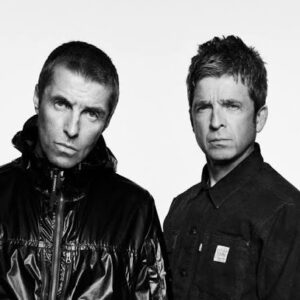
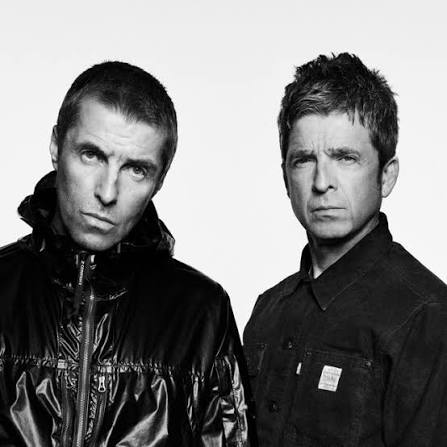
The legacy of one of Britain’s most influential rock bands is once again commanding global attention, this time through a powerful and emotionally charged Netflix documentary titled Oasis: Supersonic. The newly released promotional image — featuring brothers and standing shoulder-to-shoulder against the Union Jack — captures more than just nostalgia. It signals a cultural moment. A revival. A re-examination of a band whose music defined an era and whose internal rivalry nearly destroyed it.
Now streaming on , Supersonic is being described as the definitive documentary about Oasis — a raw, unfiltered exploration of the meteoric rise, explosive fame, and turbulent brotherhood that shaped one of the most iconic acts in rock history.
A Story Bigger Than Britpop
Emerging from Manchester in the early 1990s, Oasis quickly became the loudest voice of a generation hungry for swagger, confidence, and unapologetic ambition. At a time when British music was searching for its next global force, Oasis delivered anthems that filled stadiums and soundtracked youth culture across continents.
Their breakthrough album, Definitely Maybe, shattered expectations. It was followed by (What’s the Story) Morning Glory?, an album that cemented their dominance and delivered timeless tracks like “Wonderwall,” “Don’t Look Back in Anger,” and “Champagne Supernova.” These weren’t just songs; they became generational anthems.
The documentary revisits those formative years with rare archival footage, behind-the-scenes recordings, and newly revealed insights that paint a fuller picture of the band’s ascent. From gritty club performances in Manchester to historic sold-out stadium shows, Supersonic chronicles a journey that felt unstoppable.
Brotherhood, Brilliance, and Battle
At the center of the documentary lies the relationship between Liam and Noel Gallagher — a dynamic that was both the band’s greatest strength and its most volatile fault line.
Liam, the charismatic frontman with a sneer and a voice that cut through stadium noise, embodied raw rock star energy. Noel, the principal songwriter and guitarist, was the architect behind the melodies that conquered charts worldwide. Together, they were electric. Apart, they were combustible.
The Netflix film does not shy away from the tension. It dives into backstage arguments, creative disagreements, and the public spats that became tabloid staples. Yet it also highlights moments of unity — flashes of brotherly pride and creative chemistry that remind viewers why Oasis worked so powerfully when it did.
Through candid interviews and reflective commentary, the documentary explores how rivalry fueled brilliance, and how ego, pressure, and relentless fame gradually drove a wedge between them.
Defining the 1990s Soundtrack
To understand Oasis is to understand the 1990s British cultural revival. The Britpop movement — marked by guitar-driven anthems and working-class pride — found its loudest ambassadors in the Gallagher brothers. While contemporaries competed for headlines, Oasis projected an unshakeable belief in their own greatness.
The documentary contextualizes the band within that wider cultural explosion: fashion, football, media, and a renewed sense of British identity. It shows how Oasis didn’t just participate in the movement — they dominated it.
Music critics featured in the film describe the band’s peak as “lightning in a bottle.” Stadium footage from their legendary Knebworth concerts demonstrates the scale of their impact — hundreds of thousands of fans singing in unison, arms raised, voices unified.
For many viewers, those scenes alone are worth the watch.
Rare Footage and Unseen Moments
One of the most compelling aspects of Supersonic is its treasure trove of archival material. Fans are treated to unseen rehearsal clips, backstage candid moments, early demo recordings, and intimate reflections that humanize the myth.
The documentary reveals the grind behind the glamour — cramped vans, relentless touring schedules, and the emotional toll of overnight superstardom. It captures the band’s humor, arrogance, vulnerability, and ambition in equal measure.
There is a deliberate balance between celebration and honesty. While the music remains triumphant, the storytelling acknowledges the cost of living at full throttle.
The Breakup That Shocked the World
No Oasis story would be complete without addressing the dramatic split in 2009. After years of internal conflict, the band officially disbanded following a backstage altercation before a scheduled performance in Paris.
For fans, it felt sudden — even though warning signs had been visible for years.
Supersonic revisits that turning point with maturity and reflection. It avoids sensationalism, instead focusing on the emotional exhaustion that had built over time. Interviews suggest that while the split was inevitable, it was also deeply painful.
The documentary leaves space for interpretation — was the breakup an ending, or simply the closing of one chapter?
Why This Documentary Matters Now
The timing of Oasis: Supersonic feels intentional. In recent years, conversations about reunion tours and renewed collaborations have fueled speculation and fan hope. Nostalgia for the 1990s continues to grow among both original fans and younger audiences discovering the band through streaming platforms.
By arriving on Netflix — a platform with global reach — the documentary introduces Oasis to a new generation while offering longtime supporters a chance to relive the highs and process the lows.
It is not merely a look backward; it is a cultural reminder of how powerful music can be in shaping identity and memory.
Critical Reception and Fan Reaction
Early reactions to the documentary have been overwhelmingly positive. Viewers praise its cinematic pacing, emotional honesty, and electrifying concert sequences. Social media discussions have reignited debates about the greatest rock bands of all time — with Oasis once again at the center.
Critics note that while many music documentaries lean heavily into myth-making, Supersonic manages to feel intimate. It portrays Liam and Noel not just as icons, but as flawed, driven, complex individuals navigating extraordinary circumstances.
For fans who lived through the band’s heyday, the documentary feels like reopening a time capsule. For newcomers, it serves as a gateway into a discography that remains strikingly relevant.
A Legacy That Refuses to Fade
More than three decades after their formation, Oasis continues to command attention. Their songs still dominate karaoke bars, festival playlists, and football stadium sound systems. Their lyrics remain etched into pop culture memory.
The Netflix documentary reinforces a simple truth: Oasis was never just about chart positions or record sales. It was about attitude. Confidence. Belief.
The promotional image — stark, powerful, unapologetic — captures that essence. Liam and Noel stand firm, expressions unyielding, as if daring the world to question their impact.
And perhaps that’s the enduring appeal: Oasis never asked for approval. They assumed it.
Final Word
Oasis: Supersonic is more than a music documentary. It is a story about family, ambition, rivalry, and the price of greatness. It chronicles the rise of a band that dared to proclaim itself the best — and for a time, undeniably was.
Now streaming on Netflix, the film ensures that the roar of Oasis will echo far beyond the stages they once dominated.
For fans old and new, the message is clear: the sound that defined a generation is far from silent.