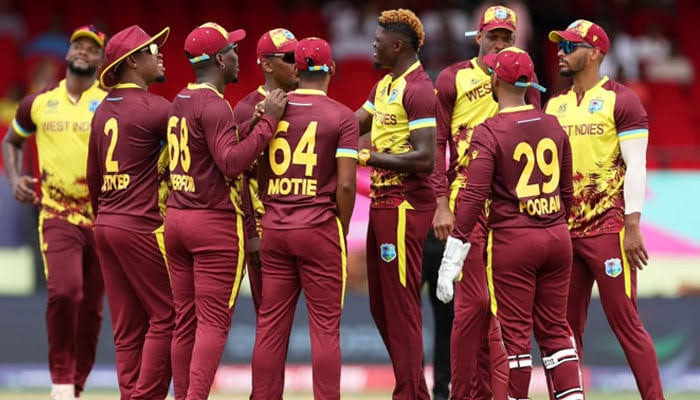
The death of Bernard Julien, a former cricket star who represented both Kent and the West Indies, has been announced, marking the loss of a player who played a key role in one of the most memorable eras of international cricket. Julien, who was 75 years old at the time of his passing, was widely remembered as a member of the legendary West Indies team that secured victory in the first-ever men’s Cricket World Cup in 1975. His contributions to the sport extended across international and county cricket, where he earned recognition as a talented all-rounder who excelled both with the bat and the ball.
Bernard Julien was known for his exceptional ability as a left-arm swing bowler and a reliable lower-order batsman. During his international career, he represented the West Indies in a total of 36 matches, which included appearances in both Test cricket and One-Day Internationals. His presence in the West Indies squad during the mid-1970s coincided with a period when the Caribbean cricket team dominated the global stage and established itself as one of the most formidable sides in cricket history.
One of the highlights of Julien’s international career came during the historic 1975 Cricket World Cup final played at Lord’s in England. In that match, the West Indies team faced Australia in the final showdown of the inaugural tournament. Julien played a supporting but important role in the match, scoring an unbeaten 26 runs that contributed to the West Indies’ successful chase, helping his team secure the championship title. That victory became a defining moment in the development of limited-overs cricket and remains one of the most celebrated achievements in West Indies sporting history.
Throughout his Test career, Julien appeared in 24 matches for the West Indies national team. During these appearances, he accumulated 866 runs, maintaining an impressive batting average of 30.92. His batting record included the achievement of scoring two centuries, demonstrating that he was not only a bowler but also a dependable contributor with the bat when required. In addition to his batting achievements, he also secured 50 wickets in Test cricket, finishing with a bowling average of 37.36, which reflected his effectiveness as a pace bowling all-rounder during a highly competitive cricketing era.
The announcement of his passing was met with sadness across the global cricket community. The West Indies Cricket Board released an official statement expressing condolences to Julien’s family, friends, and admirers. In their statement, the board emphasized that Julien’s contributions to cricket would continue to be remembered long after his death. The organization described his life as one dedicated to purpose and service to the sport, highlighting that his legacy would remain meaningful within the cricketing fraternity.
Officials from West Indies cricket also expressed appreciation for the impact Julien had on shaping the development of Caribbean cricket. They noted that his dedication as a player helped inspire future generations of cricketers from the region. The statement emphasized that although Julien had passed away, his achievements and influence would continue to live through the history and culture of West Indies cricket.
Julien also enjoyed a successful domestic career in English county cricket, particularly during his time playing for Kent. Between 1970 and 1977, he made a remarkable 179 appearances for the county team. During this period, he demonstrated consistency as both a bowler and a batsman, taking 336 wickets and scoring 3,296 runs across various competitions.
His time at Kent was especially memorable because of the number of trophies the team won while he was part of the squad. Over seven years, Julien helped the club secure seven different titles. These included victories in the Gillette Cup, which is now known as the One-Day Cup, as well as two Benson & Hedges Cup championships. In addition, he shared in a County Championship title victory with Middlesex during his final season with the club, an achievement that underscored the competitive strength of the teams he played for.
Kent Cricket Club also issued a tribute statement following news of his death. The club described Julien as an exciting stroke player who possessed exceptional skill as a left-arm swing bowler. Officials from the club highlighted that he was regarded as one of the most influential players of his generation in that specific bowling style. The statement further emphasized that the club’s thoughts were with Julien’s family and loved ones during the difficult period of mourning.
Julien’s style of play made him a valuable asset in both international and domestic competitions. As a left-arm swing bowler, he was known for his ability to generate movement in the air, creating difficulty for opposing batsmen. Swing bowling requires precision, control of seam position, and an understanding of atmospheric conditions, and Julien was able to combine these technical elements effectively throughout his career.
His batting skills also made him a versatile player. Being able to contribute useful runs in the lower batting order allowed his teams to maintain balance between their bowling and batting departments. This combination of skills is often highly valued in cricket because all-rounders provide tactical flexibility to team management.
The era in which Julien played cricket was considered highly competitive, particularly within West Indies cricket history. The West Indies team during the 1970s was widely regarded as one of the strongest cricketing sides globally, featuring players who would later become legendary figures in the sport. Julien’s inclusion in that squad demonstrated the level of talent he possessed and the confidence team selectors placed in his abilities.
Former teammates, cricket historians, and supporters have described Julien as a professional who showed dedication both on and off the field. Many have emphasized his quiet but effective playing style, noting that he was not always the most publicly celebrated star but was consistently reliable when his team needed performance.
His death has prompted reflection on the contributions of past generations of cricketers who helped shape the modern game. Sports analysts have noted that players like Julien played important roles during a transformative period in cricket history, especially as one-day international cricket was gaining global popularity.
Across social media and cricket discussion platforms, fans have expressed sadness over the loss of the former player. Many have shared memories of his performances and acknowledged his role in West Indies cricket success during the 1970s. The cricket community has continued to pay respect to a player who represented both county and international cricket with professionalism and dignity.
Bernard Julien’s legacy is therefore preserved not only through statistics and records but also through the memories of supporters and teammates who witnessed his career. His involvement in the first World Cup victory for the West Indies ensures that his name will remain permanently linked with one of the sport’s most iconic moments.
As the cricket world mourns his passing, tributes continue to highlight the importance of celebrating athletes who helped build the foundations of modern international cricket. Julien’s story serves as a reminder of the dedication required to compete at the highest level and the lasting impact that sporting achievements can have across generations.
In conclusion, the life and career of Bernard Julien represent a significant chapter in West Indies and county cricket history. His contributions as an all-rounder, his participation in World Cup glory, and his consistent performances for Kent have secured his place among respected cricketers of his era. The global cricket community now remembers him with respect, gratitude, and appreciation for a career devoted to the sport he loved.