Reliving the Power and Majesty: Led Zeppelin’s Electrifying Live Performance of “The Ocean” from Houses of the Holy.
By Rock Heritage Desk | October 10, 2025
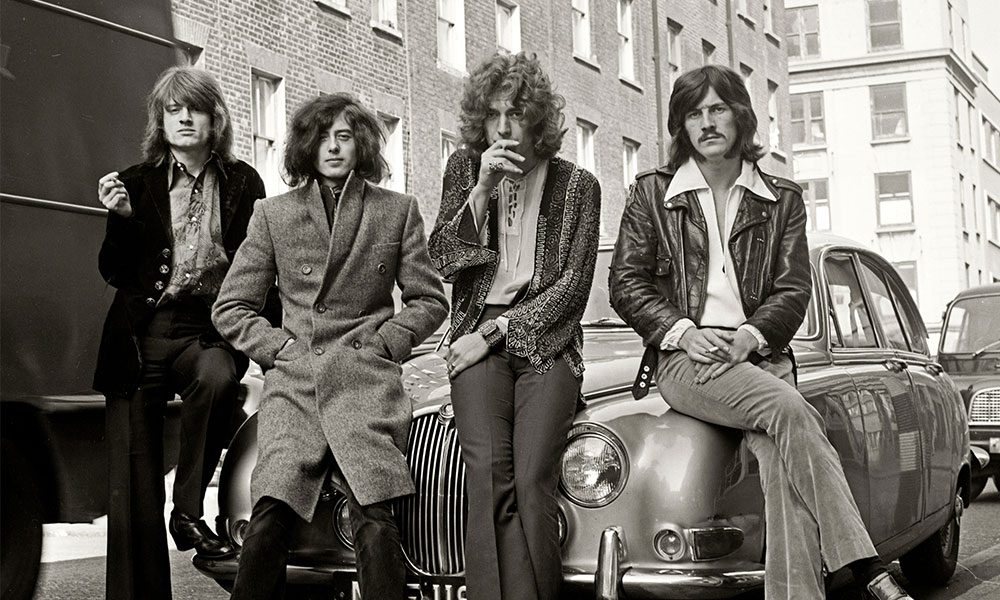
In the pantheon of rock music, there are few names that command as much awe and reverence as Led Zeppelin. Their sound, at once thunderous and transcendent, defined an entire generation of music lovers and continues to inspire countless musicians around the world. Among their many legendary performances, one track in particular — “The Ocean”, from their 1973 masterpiece Houses of the Holy — stands as an explosive symbol of the band’s unrelenting creativity, raw power, and unshakable connection with their fans.
Today, over five decades after its release, fans are still talking about what it felt like to relive Led Zeppelin’s live renditions of “The Ocean.” Whether experienced through grainy concert footage, remastered live albums, or in person for those lucky enough to have witnessed it, the song remains a roaring testament to the golden age of rock — when Led Zeppelin ruled the stage and the world bent to their sound.
The Birth of “The Ocean” — A Tribute to the Waves of Fans
“The Ocean” is not just another Zeppelin track; it’s a love letter to their audience. The title itself refers to what frontman Robert Plant affectionately called the sea of fans that filled every venue during their tours. At the time, Led Zeppelin were touring the world’s largest arenas and stadiums, performing to audiences so massive that the sight of them — a literal ocean of humanity — inspired this unforgettable song.
Recorded in 1972 and released the following year on Houses of the Holy, “The Ocean” was the closing track of the album, a fitting finale to one of rock’s most ambitious records. It captured everything Led Zeppelin stood for: infectious rhythm, lyrical wit, unbridled energy, and musicianship at its highest level.
From Jimmy Page’s staccato guitar riff to John Bonham’s bone-shaking drumming, John Paul Jones’s tight bass groove, and Plant’s soaring, blues-infused vocals, the song represented the chemistry that made Zeppelin an unstoppable force.
But where “The Ocean” truly came to life was not in the studio — it was on stage.
The Live Experience: A Sonic Earthquake
When Led Zeppelin launched into “The Ocean” during their live shows in the early and mid-1970s, it was nothing short of a controlled explosion of rock and roll energy. The song often appeared in the second half of their concerts, typically following a blistering rendition of “Whole Lotta Love” or “Black Dog,” serving as both a celebration and an encore-worthy crescendo.
The band’s 1973 performance of “The Ocean,” captured in the legendary “The Song Remains the Same” concert film, remains one of the most electrifying moments in live rock history. Filmed at Madison Square Garden in New York City, it showcases Led Zeppelin at their absolute peak — confident, commanding, and completely in sync with one another.
Jimmy Page, wielding his Gibson Les Paul, slices through the air with riffs that are both sharp and swaggering. John Bonham, often called the greatest rock drummer of all time, anchors the performance with thunderous precision — every snare hit feels like an aftershock. John Paul Jones delivers that funky undertone, keeping the song’s groove irresistibly tight, while Robert Plant struts across the stage, his golden mane glinting under the lights, his voice equal parts honey and fire.
In that moment, “The Ocean” becomes more than a song — it’s an experience. The crowd roars back every line, the band feeds off their energy, and together they create something eternal.
Technical Brilliance and Musical Chemistry
What made Led Zeppelin’s live performances so compelling was the effortless interplay between the four musicians. They were not just bandmates; they were a musical organism — breathing, pulsing, and reacting to one another in real time.
In “The Ocean,” this interplay was on full display. Page’s riff sets the stage, a simple but hypnotic pattern that swings between blues and hard rock. Bonham’s drumming — precise yet playful — turns the rhythm inside out, constantly shifting accents and syncopations to give the groove life. Jones, as always, provides the invisible glue, his bass lines weaving in and out of Page’s guitar, while occasionally adding keyboard flourishes in extended live versions.
Then there’s Plant, whose performance transforms the track from a rhythmic rocker into a celebration. His lyrics — lighthearted and self-aware — hint at the toll of fame and the joy of performance:
“Singing to an ocean, I can hear the ocean’s roar…”
It’s both literal and metaphorical — he’s singing to the sea of fans before him, yet he’s also singing about the endless journey of music itself. Every note, every scream, every echo from the crowd becomes part of that “ocean.”
Behind the Sound: The Houses of the Holy Era
When Houses of the Holy was released in 1973, it marked a bold new chapter in Led Zeppelin’s evolution. Moving beyond the blues-heavy framework of their earlier albums, the band experimented with funk, reggae, and even hints of progressive rock. Songs like “The Song Remains the Same,” “No Quarter,” and “The Rain Song” showcased their maturity and range, while “The Ocean” grounded the record in Zeppelin’s pure rock roots.
Recorded at Mick Jagger’s Stargroves estate using the Rolling Stones’ Mobile Studio, the sessions were famously loose and spontaneous. The result was a record bursting with creativity — and “The Ocean” was its perfect closer, a high-energy statement that Led Zeppelin were still the undisputed kings of rock.
Legacy and Cultural Impact
Decades later, “The Ocean” remains a staple of classic rock radio and a fan-favorite in Zeppelin’s catalog. It’s been covered by numerous artists, from punk and metal bands to jazz fusion acts, all seeking to capture a fraction of its energy. Even hip-hop producers have sampled its unmistakable groove, recognizing the timeless power of its rhythm.
The song’s legacy is also kept alive through modern remasters, reissues, and tribute performances. When surviving members Robert Plant, Jimmy Page, and John Paul Jones reunited for the historic 2007 O2 Arena concert in London, fans hoped to hear “The Ocean” live once more — though it didn’t make the setlist, its spirit hovered over every riff and roar that night.
Today, clips of Zeppelin’s 1973 live performance of “The Ocean” continue to circulate on YouTube and social media, racking up millions of views. Younger audiences, some discovering the band for the first time, are struck by how fresh and electrifying the performance still feels. There are no digital effects, no pyrotechnics — just four men on stage, channeling pure rock power.
The Enduring Wave
To “relive” Led Zeppelin’s performance of “The Ocean” is to be reminded of what rock and roll truly is — freedom, energy, and connection. It’s a reminder of a time when music wasn’t about algorithms or streaming numbers but about the shared electricity between artist and audience.
As Robert Plant once reflected, “Every night was different with Zeppelin. We didn’t just play the songs; we lived them. ‘The Ocean’ was our way of saying thank you — to the people who gave us everything.”
And indeed, that gratitude can still be heard in every crash of Bonham’s cymbals, every howl of Plant’s voice, every bend of Page’s strings. The song is both a celebration and a promise — that great music never dies, it only evolves, echoing forever through generations like the eternal waves of the ocean itself.
In the end, “The Ocean” is more than a performance. It’s a moment in time — immortalized in sound, film, and memory. For those who were there, it was an awakening. For those who watch it today, it remains proof that Led Zeppelin were not just a band; they were a force of nature. And like the ocean they sang to, their music continues to roll on — endless, powerful, and alive.